


By better aligning the right strategies to the right purpose, the team at Kimberly-Clark Professional, makers of WypAll, believe that manufacturers can better position themselves to experience continuous, high-quality production and profitability.
In their recently released whitepaper on maintenance strategies, they explore the most common maintenance strategies used by global manufacturers, pointing to research which examines their advantages and short comings; associated costs and the type of return manufacturers should look to receive once the strategies are put into action. Finally, Kimberly-Clark Professional points up to the industrial wiping solutions offered by WypAll® and how the brand’s task-specific wipes seamlessly integrate into any manufacturing maintenance strategy.
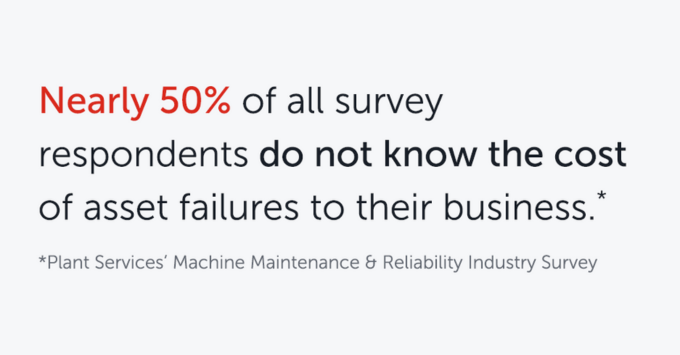
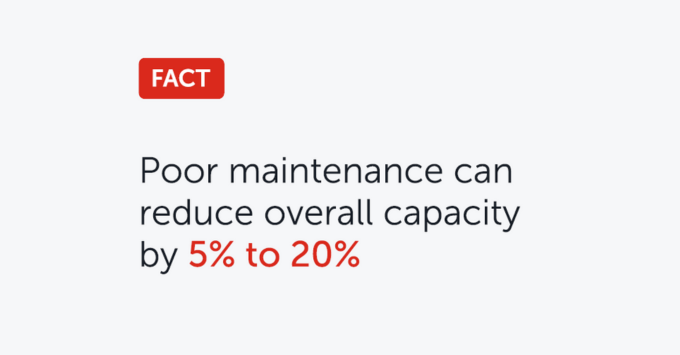
Most manufacturers understand that poor maintenance practices can affect their productivity, quality and profitability. However, many industrial companies still struggle to identify and implement the right maintenance strategies to guard against major risks, such as machine failure, low-quality production outputs, high-cost replacement parts and labour, safety issues, and long periods of unplanned downtime.
Corporate and frontline respondents to Plant Services’ Machine Maintenance & Reliability Industry Survey agree, respectively, that unexpected equipment failures are the biggest risks to meeting their production targets. Even with manufacturing’s capital-intensive structure and sensitivity to production disruptions, industry data signals that an information gap exists between understanding the need for effective maintenance and implementing the right strategies to ensure efficient and profitable production. With this level of cost and risk associated with ineffective or inefficient maintenance strategies, without significant operational improvements, some manufacturers will simply lack the financial ability to sustain their operations over the long term. Contrary to common beliefs, research data indicates that many manufacturers are allowing critical production processes and equipment to fail rather than investing in effective maintenance strategies.
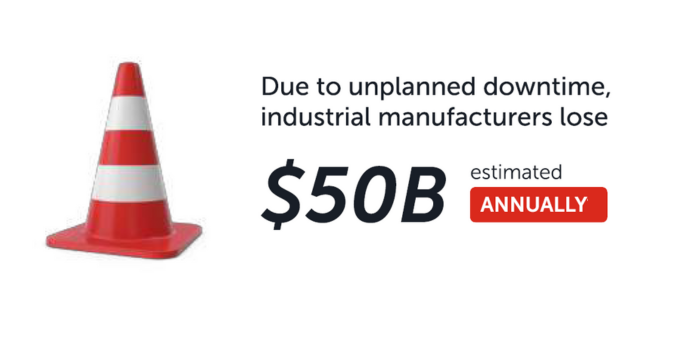
One hour of unplanned downtime costs at least 50% more today than it did in the period 2019-20, due to spiralling inflation and production lines running at higher capacity. Even with the value of global manufacturing production topping $44 trillion U.S. dollars (£34 trillion) per year, the cost of failure is too great to remain sustainable over the long-term.
So, what’s the benefit of picking a strategy?
Picking a maintenance strategy should help manufacturers achieve better production quality, improve safety and decrease unplanned downtime. However, each maintenance strategy requires a different set of circumstances to be effective.
While every manufacturer has specific production and financial requirements that influence how maintenance strategies are identified and implemented, we can offer insights to help support these important decisions. Failure should not be an option. The initial low cost and ease of execution of reactive maintenance should be viewed cautiously when deciding whether to implement this strategy. With the potential for high risk and costs, manufacturers must assess their risk tolerance when considering reactive maintenance as a primary maintenance strategy.
Kimberly-Clark urges manufacturers to increase their visibility by using a blend of predictive and preventative maintenance. Preventative strategies offer opportunities to see into the future and cure issues before they occur. Though a costly investment, predictive maintenance eliminates guesswork from facility maintenance. Where preventive maintenance may lack in efficiency, it makes up for it in risk mitigation. Keeping maintenance on schedule is a tried-and-true solution for reducing unplanned downtime and keeping production on track.
While solely implementing predictive maintenance may be too costly, pairing preventive maintenance tactics can help manufacturers create an effective, customised strategy that leverages the strengths of each to help ensure productivity and profitability.
How your maintenance strategy is tied to a cleaning strategy.
Every job requires the right tool for the right application, so why would cleaning be any different? Since cleaning is the cornerstone of a successful maintenance strategy, ensuring you have the right cleaning cloth for the task is integral.
The strategy behind wiping all depends on the type of mess you are tackling. The product development team at WypAll® meticulously analyses each substance and surface, and the ideal way of cleaning it, engineering wipes that are specifically suited to help you accomplish your task.
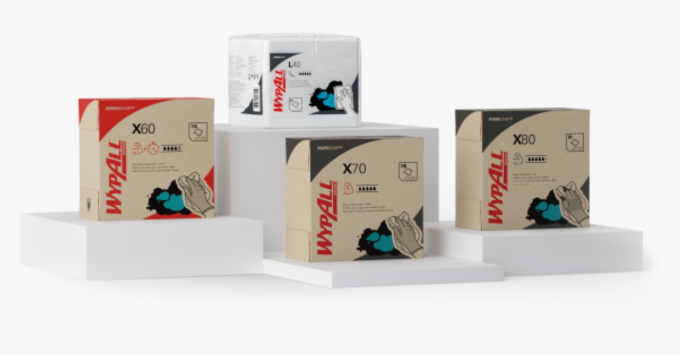
Absorbing Liquid: Liquid absorption is done best by a wipe engineered with highly absorbent natural fibres.
Removing Oil, Grease and Grime: Oil, grease and grime removal depends on the texture of a synthetic fibre that conforms to the surface while remaining durable and absorbent.
Working With Solvents and Harsh Chemicals: Chemicals and solvents can erode the integrity of certain fibres. Synthetic fibres are more resistant to harsh materials without compromising performance.
Cleaning Challenging Surfaces: Rough and abrasive surfaces require a wipe that’s higher in density and equipped with a weave and texture engineered for durability.
Explore the WypAll range here https://www.greenham.com/Cleaning-and-Hygiene/Industrial-Wiping/Cloth-Wipes~c~BEL?q=%3Arelevance%3Abrand%3AWYPALL&pages=2


