
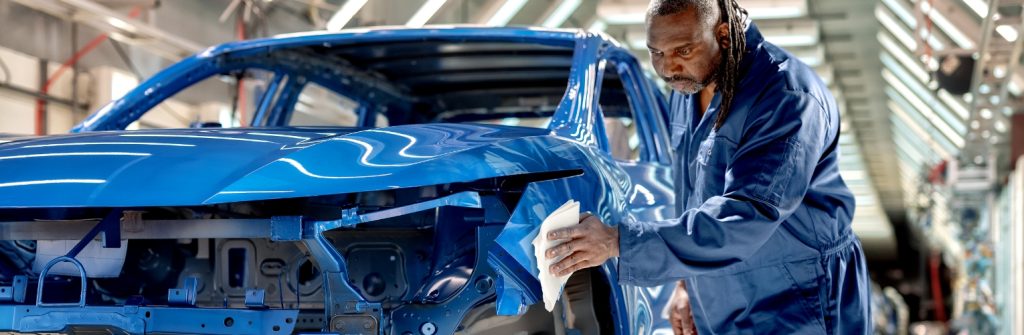


Chemical workplaces come with its many complexities. The risks to worker safety go far beyond a single hazard. Nowhere is this more evident than in chemical protection, where the right chemical glove choice can mean the difference between safety and exposure. It’s important to understand the multifaceted considerations necessary for effective chemical glove selection, helping your company maintain safety standards whilst optimising worker comfort and productivity.
One Hazard, Many Hidden Risks
Selecting gloves purely based on chemical resistance is a common mistake. But relying on a “one-glove-fits-all” approach exposes workers to new risks. If gloves are too bulky, uncomfortable, or unsuitable for secondary hazards like sharp edges or flammable atmospheres, workers may remove them – leaving hands completely unprotected.
Today’s advanced glove technologies remove the need for compromise. With modern design, construction techniques, and multi-hazard protection built in, you can now choose gloves that protect against multiple threats without sacrificing comfort or dexterity.
Understanding Chemical Risk: Beyond Just Permeation
The first consideration in glove selection is the glove’s ability to prevent chemical breakthrough. According to EN ISO 374:2016, gloves are classified into three types based on permeation resistance:
- Type A: Resists >30 minutes for at least 6 chemicals
- Type B: Resists >30 minutes for at least 3 chemicals
- Type C: Resists >10 minutes for at least 1 chemical
But permeation is only part of the story. Let’s look at degradation which simply means physical changes to the glove like swelling or brittleness when exposed to chemicals. It can occur even before permeation happens. This not only affects glove performance but also grip and durability, increasing the risk of accidents.
To select the right glove, you must assess both permeation and degradation data for each chemical in use. A glove that passes on one front but fails on the other may be inadequate for real-world conditions.
Protection Beyond Chemicals
1. Chemical + Cut Hazards:
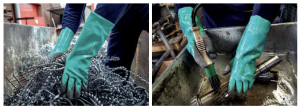
(Taken from pg 4 in Understanding Chemical Protective Glove Selection safety briefing)
Many industrial tasks expose workers to both sharp objects and chemicals. A common workaround – wearing two gloves – can reduce dexterity so much that workers remove one or both layers. Instead, you should opt for chemical-resistant gloves that also meet EN ISO 388:2016 mechanical protection standards for abrasion, cut, tear, and puncture resistance.
2. Chemical + Electrostatic Discharge:
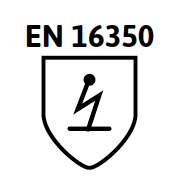

In flammable environments or where sensitive electronics are present, gloves must also prevent static buildup. Normal chemical gloves often fail to meet EN 16350 standards for electrostatic dissipation. Only gloves engineered with conductive fibers and polymers can safely dissipate charge, preventing the spark that could lead to a fire or equipment damage. When it comes to chemical protective suits, the EN 1149 standard is used. It uses 3 test methods to assess the different electrostatic properties of materials.
3. Chemical + Ergonomic Safety
Ergonomics is too often overlooked in chemical glove selection. Repetitive or forceful tasks, especially when gloves are stiff, poorly fitting, or slippery, can lead to musculoskeletal injuries, nerve damage, and reduced productivity.
To prevent this, you must consider factors like:
- Fit: Ill-fitting gloves compromise movement or control
- Grip: Poor grip increases strain and effort
- Construction: The material affects breathability and long-wear comfort
- Application-specific needs: Conditions like wet work, vibration, or oily environments demand tailored solutions
Why the Wrong Glove Can Cause Injuries
Sometimes the real cause of an injury isn’t the lack of gloves, it’s wearing the wrong ones. For example:
- A worker slips while handling tools with gloves that lack proper grip
- Fatigue builds up from overcompensating for poor dexterity
- A glove fails mid-task due to chemical degradation not considered during selection
In each of these cases, the injury wasn’t a result of PPE absence, it was caused by choosing the wrong glove for the job.
Best Practice: Application-Based Assessment
To make the right choice, you must go beyond product data sheets. That means assessing:
- The actual tasks workers perform
- All hazards present (chemical, mechanical, electrical, ergonomic)
- The environmental conditions (wet, oily, confined, high temperature)
- How long gloves are worn and how often they’re changed
This isn’t always easy, especially when balancing safety, comfort, and cost. That’s where support from PPE experts becomes invaluable.
Simplifying the Process with AnsellGUARDIAN™ Chemical

Ansell’s free AnsellGUARDIAN™ Chemical tool simplifies glove and suit selection for multi-hazard environments. This self-service platform allows you to:
- Search by chemical name or CAS number
- Compare permeation and degradation data for thousands of glove-chemical combinations
- Receive tailored product recommendations based on your specific application
Combined with expert consultation, this tool helps reduce selection errors and ensure each worker is wearing the right glove for their task.
Contact us for a free AnsellGUARDIAN™ Chemical assessment.


