
Staying Well Outdoors This Winter
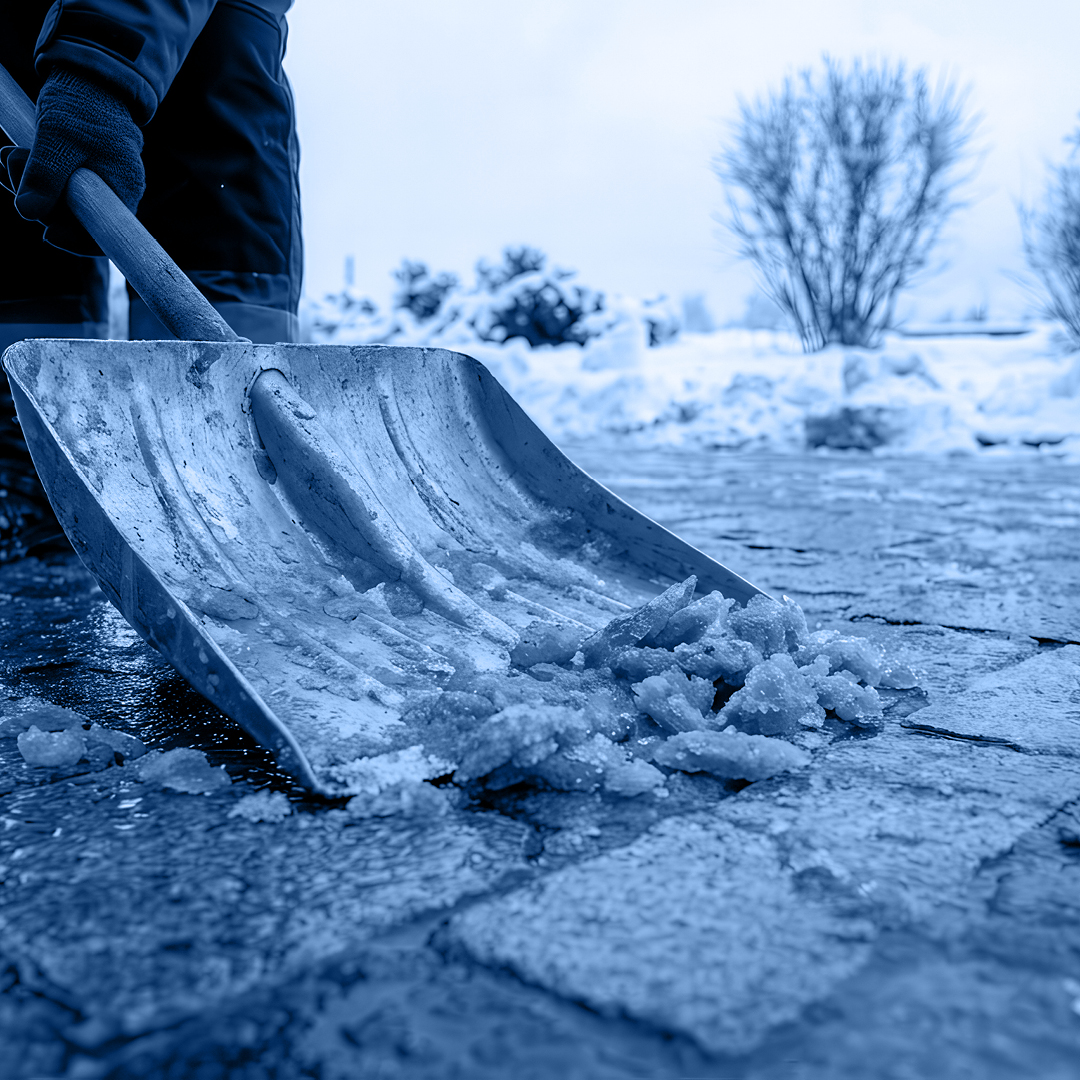
Working outdoors in winter brings a unique set of health and safety challenges. Cold temperatures, wind chill, rain, ice and reduced daylight can affect concentration, dexterity and physical performance, while increasing the risk of cold stress, slips, trips and falls.
Whether you work in construction, agriculture, utilities, highways or any other outdoor sector, the right clothing, PPE and practical wellbeing measures can help you stay warm, dry, visible and protected throughout the winter months.
The Scale of the Problem

30%
of non-fatal workplace injuries are slips, trips or falls.
Below 10°C
Outdoor workers face increased cold-related risk.

Up to 25× faster
heat is lost through wet clothing compared with dry clothing.

31°C
is the core body temperature at which unconsciousness may occur.

Below 26°C
Core body temperature below this level can be fatal.
Around 80%
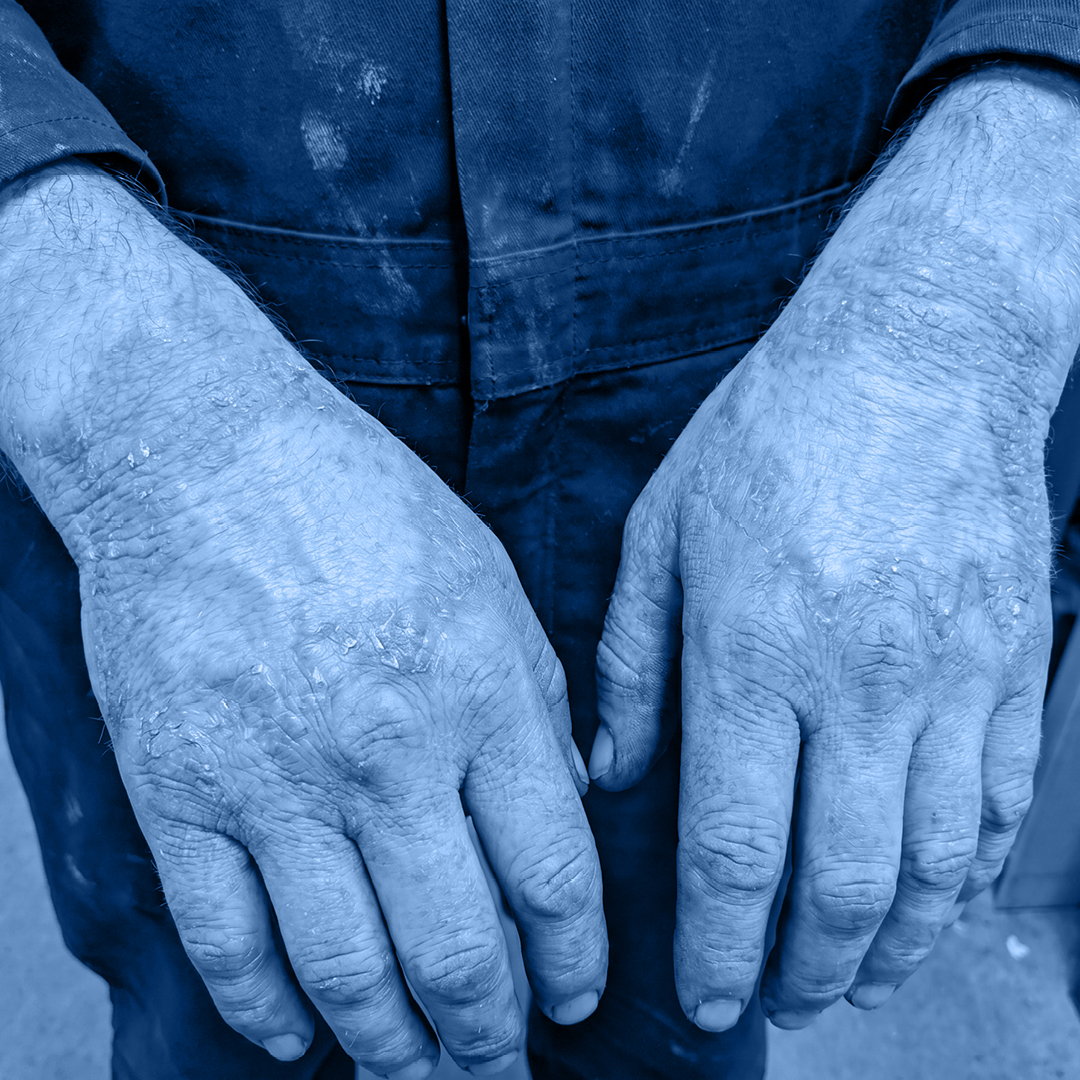
of occupational skin disease cases involve hand dermatitis.
Understanding the Risks

Prolonged exposure to cold can reduce strength, concentration and coordination, increasing the risk of mistakes and accidents. Workers are particularly at risk when temperatures fall below 10°C.
Cold conditions can lead to:
Recognising the early signs of cold stress and taking regular opportunities to warm up is essential.
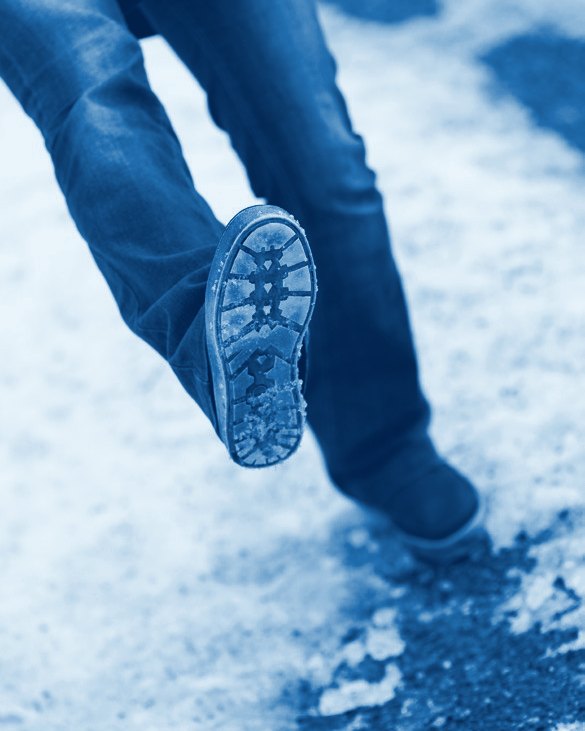
Rain, ice, snow and mud can make outdoor working areas significantly more hazardous. Slips, trips and falls remain one of the most common causes of workplace injury, with wet and contaminated surfaces a major contributing factor.
Winter conditions can increase the risk of:
Good housekeeping, suitable footwear and prompt treatment of slippery surfaces can help reduce these risks.

Shorter winter days and poor weather can reduce visibility across outdoor work areas, making hazards harder to identify and increasing the risk of accidents.
Cold temperatures can also affect:
Suitable lighting, warm PPE and regular breaks help workers remain alert, visible and able to work safely.
The Importance of Layering for Cold & Wet Weather Protection
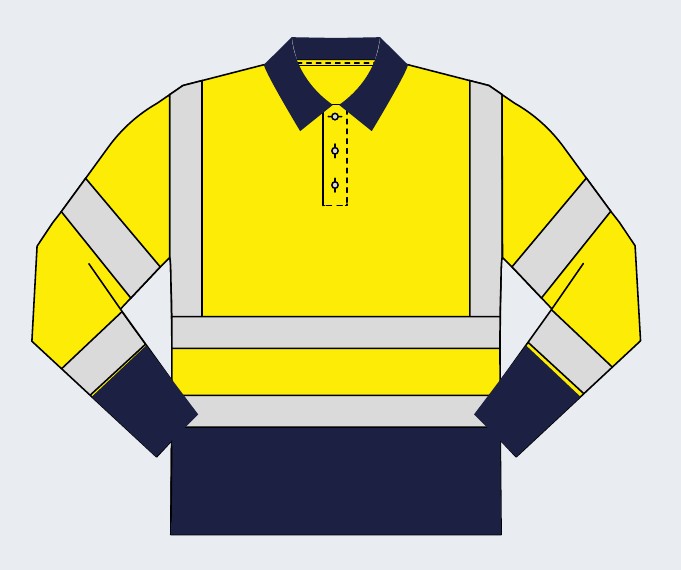
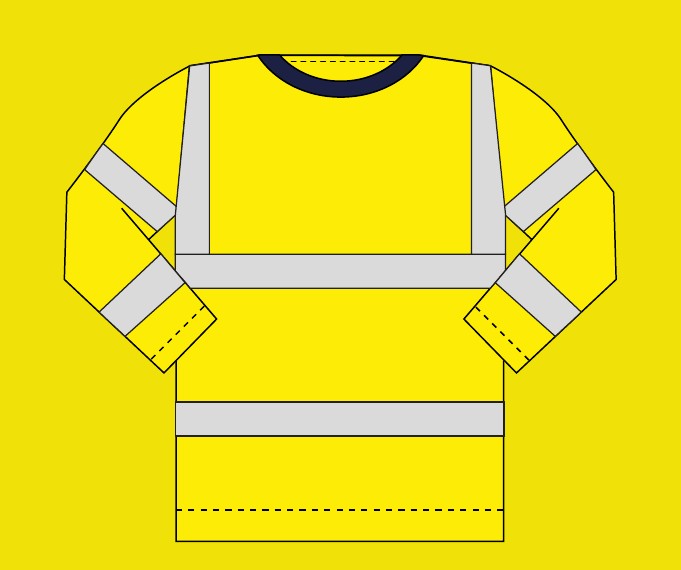
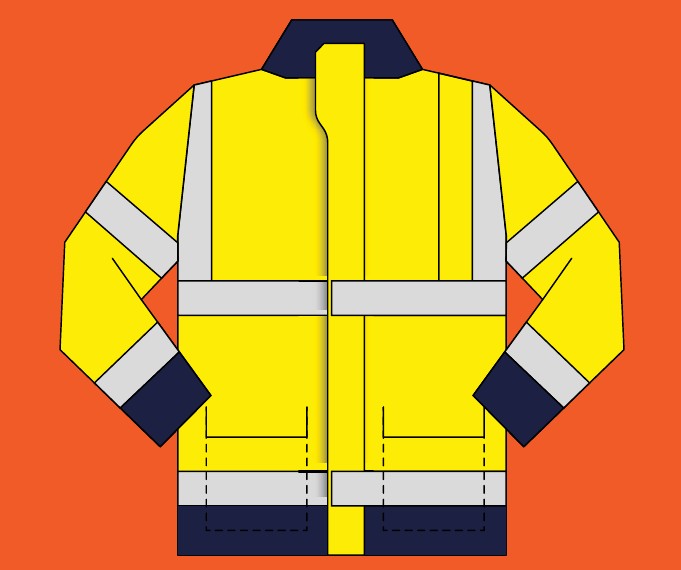
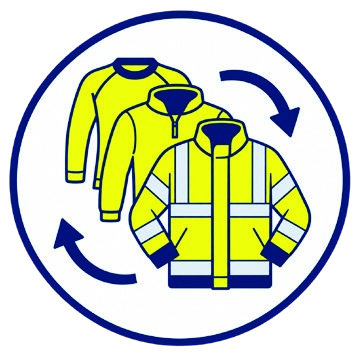
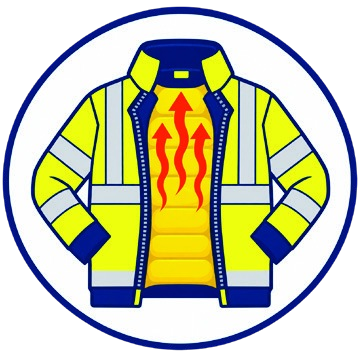
Layering helps outdoor workers stay warm, dry and comfortable in changing winter conditions. A flexible three-layer system traps warm air, manages moisture and provides protection from wind, rain and snow.
Key Product Categories



Winter Wellbeing Checklist
Stay warm. Stay safe. Look out for each other.
Cold conditions increase the risks of slips, cold stress and fatigue. Use this checklist to help safeguard your team and keep sites running safely this winter.


Below 10°C
Reassess cold-weather controls
Dress for the conditions
Warm up and stay fuelled
Work safely and look out for each other
Your wellbeing matters this winter.
The right clothing, PPE and practical wellbeing measures can help you stay warm, dry, visible and protected throughout the winter months.
This guide is intended for information purposes and does not constitute legal advice. Employers should conduct site-specific risk assessments and seek professional H&S guidance as required.
Sources: HSE Workplace Injury Statistics and Outdoor Working Guidance, RMT Cold Weather Guidance, British Safety Council
 How Ultimate Visibility Safety Footwear Works


