
 Every Second Counts
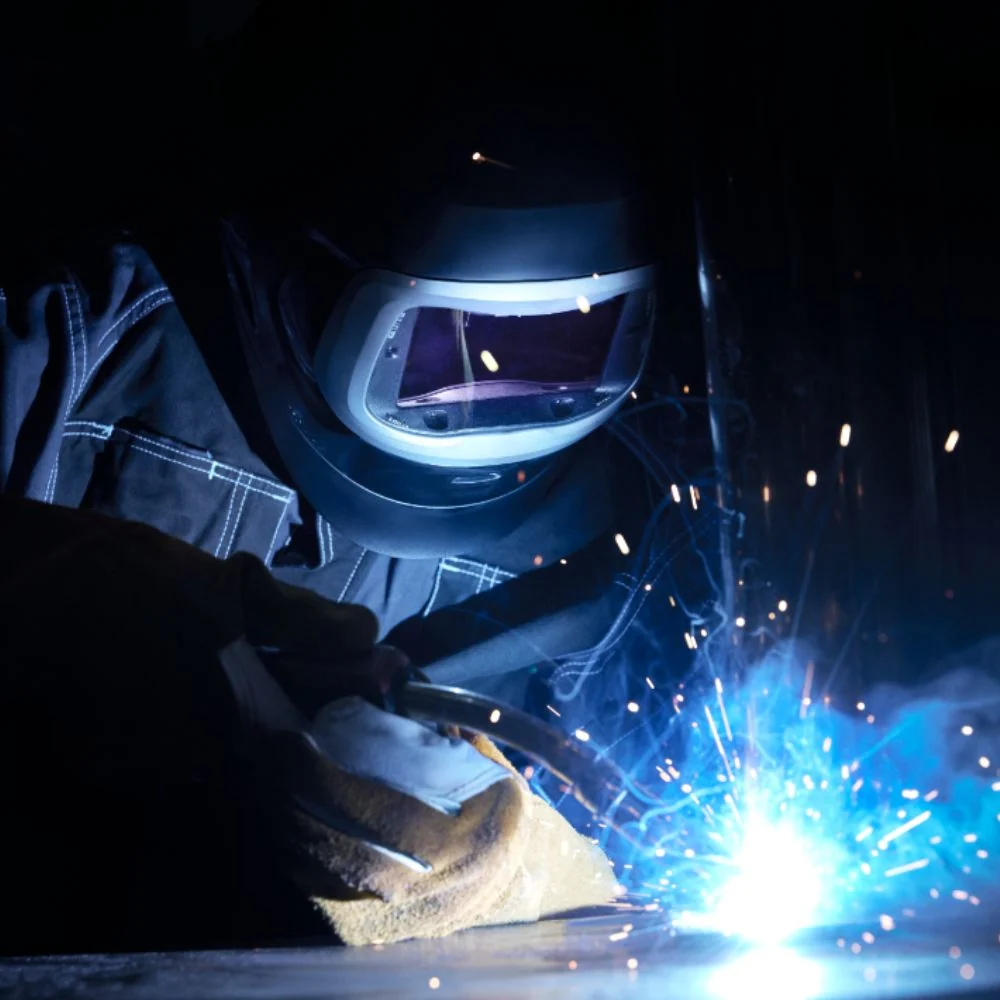
After the complex production of metallic raw materials, they typically undergo further processing. Noise, heat, dust and other hazards make working conditions challenging.
Selecting the best possible protection for the wearer is only part of the challenge – increasing wearing acceptance from workers is key as well to reduce risks and injuries.
Helping to improve performance and the life of the welder.
Like all proud craftsmen, welders tend to strive for excellence. So 3M believe they deserve great equipment that not only keeps them safe but also helps to enhance their performance and helps keep them comfortable during their entire workday. That’s why 3M designed their Generation 5 (G5) of welding helmets with:
– Welder safety and productivity as the key priority
– A wide range of accessories allowing configuration flexibility
– Consumables that are common between helmets, simplifying service, forecasting and inventory
Personal protection in extreme conditions
For more than 100 years, 3M has been developing effective and individual PPE (Personal Protective Equipment) solutions for the metalworking industry.
Failing to create a safe work environment can have far-reaching consequences.
The lack of effective protection can potentially lead to significant short-term and long-term health effects.
Inadequate personal protection is a frequently cited workplace violation and can lead to prosecution.
Identifying hazards and the best protection solution is not always easy- 3M can support you through this process to help you make informed decisions based on your needs.
Protection throughout the whole process
From steel works to aluminium smelters, from welding works to lead recycling: we understand user requirements and work together with them to create a safe working environment.
Metal production
Things are really 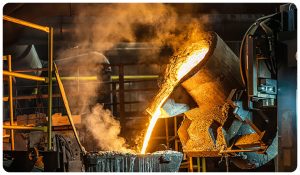 hot here: in iron furnaces, iron ore is used to extract pig iron. Extreme working conditions prevail, so it is essential to completely protect your employees.
Metal fabrication
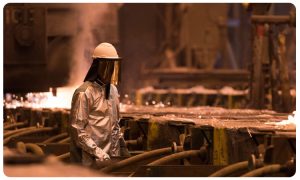 In metal processing, the liquid metal is first cast as pigs, ingots, or slabs. The further processing of the pigs takes place in the foundries, with extreme heat and flying sparks.
Metal finishing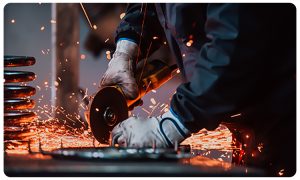
From metal to finished product, the basic material undergoes further processing, which involves typical metalworking tasks, such as welding, cutting, turning, drilling, milling, and planing.
How well are you looking after your respirator?
To maintain protection levels, optimise the effective lifetime of the equipment and avoid the
additional cost of replacement, it is extremely important to carry out regular checks and maintenance on your Respiratory Protective Equipment (RPE).
Unsure where to start? These top tips from 3M will help you to ensure that your team’s RPE
stays in tip top condition.
Understand your responsibilities
Many countries place an explicit legal requirement on companies to maintain their reusable RPE and keep maintenance records. Other countries rely on employers to determine a suitable maintenance regime as part of their respiratory protection programme. Make sure you understand what is required by law, so you can design your company’s care and maintenance policy to be fully compliant.
Get advice from your manufacturer or distributor
Care and maintenance instructions are included in the product user instructions. Some manufacturers may also publish additional resources to help you manage care and maintenance and provide training to your team. Care and maintenance support for 3M products can be found by visiting go.3m.com/RPECare.
Consider maintenance when selecting new RPE
There are many factors to consider when selecting new RPE for your team, and budget is normally an important consideration. Remember to consider the durability of the product construction, availability of spare parts and the ease of maintenance before reaching a final decision – these factors can outweigh differences in the initial purchase price of the product.
Don’t forget about filters
Respirator filters do not last forever. Once a gas & vapour filter has been used to its full capacity, it will no longer offer any protection. An overused particulate filter will still protect you, but it will be hard to breathe through, leading to fatigue & reduced productivity.
The service life of a filter can be affected by a number of factors, including the type of filter, the concentration of contaminants in the air, breathing rates, humidity and temperature. Best practice is to establish a filter change schedule – a specified time period after which filters will be replaced.
If you are unsure about whether you are changing your filters often enough, 3M offers a reference guide which is available to download from 3M.co.uk. For more information, contact your local Greenham Account Manager.


