
 Meet the New Generation of Ledlenser HF Headlamps
For decades, workplace eye protection programmes have focused primarily on preventing immediate injuries such as impact, dust ingress, flying debris and chemical splash. While these hazards remain a critical consideration, the conversation around eye safety is beginning to evolve. Organisations are now placing greater emphasis on occupational health, wellbeing and preventative risk management, safety professionals which takes in a broader view of eye protection.
Several factors are driving this shift. Outdoor workers are spending long periods exposed to sunlight and reflected glare. Changing environmental conditions are influencing how workers interact with outdoor environments with organisations are placing greater focus on employee wellbeing and health. At the same time, PPE selection is becoming increasingly focused on wearer comfort, acceptance and long-term use rather than minimum compliance alone.
One area attracting increasing attention is ultraviolet (UV) radiation. Although largely invisible, UV exposure is a daily reality for many outdoor workers and may contribute to cumulative eye health risks. As a result PPE specifiers are looking to build more comprehensive eye protection programmes.
Why UV exposure matters
Many workers assume UV exposure is only a concern during the summer months. In reality, ultraviolet radiation is present all year round, and outdoor workers can experience cumulative exposure over many years.
As organisations place greater emphasis on prevention and wellbeing, protecting workers from both visible and invisible hazards is becoming an increasingly important consideration.
What is UV400 Protection and Why is it Gaining Attention?
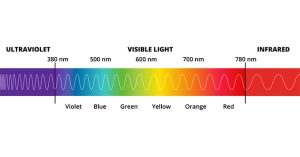
UV400 refers to lenses designed to filter ultraviolet radiation up to 400 nanometres. According to uvex, this provides protection against 100% of both UVA and UVB radiation and extends coverage beyond the 380 nm level referenced within EN 166 and EN 170 standards.
The distinction between 380 nm and 400 nm may appear minor at first glance, but it has become a topic of increasing discussion amongst occupational health professionals and safety specialists.
UV400 technology is designed to help reduce exposure to the remaining UVA wavelengths between 380 nm and 400 nm, providing broader protection against ultraviolet radiation.
- Growing recognition that PPE should support long-term health, not just immediate safety.
- More emphasis on comfort, visual performance and wearer acceptance when selecting protective equipment.
As organisations continue to take a more holistic approach to worker protection, UV exposure is becoming an increasingly important consideration within eye protection strategies.

UVA and UVB: What’s the Difference?
UV radiation is commonly grouped into UVA and UVB, both of which can affect the eyes and surrounding skin.
- UVA accounts for the majority of UV radiation reaching the earth’s surface. According to uvex UV400 guidance, UVA penetrates deeper than UVB and can contribute to thermal damage within eye tissues.
- UVB is a higher-energy form of UV radiation that primarily damages genetic material and can contribute to eye health risks when exposure is excessive.
For outdoor workers, the concern is not a single day in the sun. It is the cumulative exposure experienced over months, years and decades that is driving greater interest in UV protection as part of workplace eye safety programmes.
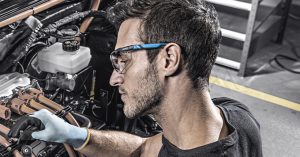
Beyond Compliance: Are Employers Reassessing Their Eyewear Specifications?
Compliance standards remain an essential foundation when selecting safety eyewear. However, many organisations are increasingly looking beyond minimum requirements as they seek to build more comprehensive occupational health programmes.
This reflects a broader shift taking place across health and safety. The focus is moving from simply meeting compliance obligations towards implementing controls that actively support workforce wellbeing and reduce cumulative exposure to workplace hazards.
When it comes to eye protection, this means considering not only whether eyewear meets recognised standards, but whether it offers the most appropriate level of protection for the environment in which it will be worn.
For outdoor workers, this raises an important question: if employees may be exposed to UV radiation throughout their careers, should employers look beyond minimum UV protection requirements when specifying safety eyewear?
While there is no single answer for every workplace, it is a question that is becoming increasingly relevant as organisations review their long-term approach to occupational health.
For organisations taking a long-term view of employee wellbeing, this additional level of protection aligns with wider efforts to reduce avoidable workplace exposures wherever reasonably possible.
The growing interest in UV400 reflects a broader trend within PPE selection. Employers are increasingly seeking solutions that deliver enhanced protection, improved comfort and greater support for long-term health outcomes, rather than simply meeting baseline requirements.
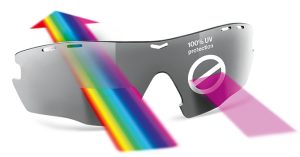
Why Does the Difference Between 380 nm and 400 nm Matter?
As understanding of UV exposure has evolved, greater attention has been paid to the potential impact of UVA wavelengths close to the visible light spectrum.
- At 380 nm, up to 20% of potentially damaging UVA radiation may still pass through the lens.
- UV400 helps reduce exposure within the 380 nm to 400 nm range.
- UV400 can reduce aggressive high-energy visible blue light content by up to 15%.
- UV400 helps protect both the eyes and the sensitive skin surrounding them from long-term UV exposure.
- Recommendations from organisations including the World Health Organisation (WHO), together with ongoing scientific research, continue to support protection up to 400 nm.
For safety professionals, the discussion is not simply about nanometres or compliance standards. It is about understanding whether current protection strategies align with emerging knowledge around long-term occupational health and workforce wellbeing.
As eye protection programmes continue to evolve, UV400 is increasingly being viewed as part of a preventative approach to worker protection rather than simply an optional feature.
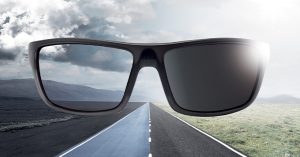
Why Does the Difference Between 380 nm and 400 nm Matter?
As understanding of UV exposure has evolved, greater attention has been paid to the potential impact of UVA wavelengths close to the visible light spectrum.
- At 380 nm, up to 20% of potentially damaging UVA radiation may still pass through the lens.
- UV400 helps reduce exposure within the 380 nm to 400 nm range.
- UV400 can reduce aggressive high-energy visible blue light content by up to 15%.
- UV400 helps protect both the eyes and the sensitive skin surrounding them from long-term UV exposure.
- Recommendations from organisations including the World Health Organisation (WHO), together with ongoing scientific research, continue to support protection up to 400 nm.
For safety professionals, the discussion is not simply about nanometres or compliance standards. It is about understanding whether current protection strategies align with emerging knowledge around long-term occupational health and workforce wellbeing.
As eye protection programmes continue to evolve, UV400 is increasingly being viewed as part of a preventative approach to worker protection rather than simply an optional feature.
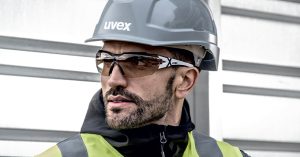
Choosing the Right Safety Eyewear for Bright Sunlight and Changing Light
Work rarely takes place under a single lighting condition. Bright sunlight, reflective surfaces, harsh LED lighting and frequent movement between indoor and outdoor environments can all influence visual comfort and performance.
Selecting the right lens helps support not only protection, but also comfort and wearer acceptance.
| Lens Option | Best Suited For | Key Benefit |
| Clear | Indoor environments and areas with adequate lighting | Maximum light transmission and natural colour perception |
| Grey | Consistent sunny conditions | Reduces brightness while maintaining natural colour perception |
| uvex CBR23 | Bright outdoor work with strong sunlight and glare | Helps manage intense light and glare while filtering high-energy visible blue light |
| uvex CBR65 | Mixed indoor and outdoor environments, harsh artificial lighting | Balances light and visual comfort across changing conditions |
| Amber | Low-light, overcast or flat-light environments | Enhances contrast and helps important details stand out |
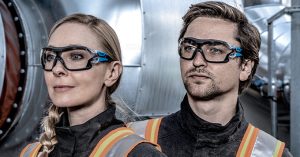
Safety Eyewear Needs to Fit Properly Too
Even the most advanced lens technology can only perform effectively when eyewear fits correctly.
Poorly fitting eyewear can:
- Allow UV radiation, light, dust, debris and liquids to reach the eye area.
- Move during tasks, affecting vision and protection.
- Create pressure points that cause discomfort and fatigue.
- Reduce wearer compliance if workers choose to remove it.
Wraparound styles can offer additional benefits by helping to reduce the amount of UV radiation and glare entering from the sides of the eyewear.
When assessing fit, safety eyewear should:
- Sit close to the face without excessive gaps.
- Provide full coverage of the eye area.
- Remain secure during movement.
- Avoid contact with eyelashes.
- Deliver all-day comfort.
A one-size-fits-all approach is rarely the most effective solution. Increasingly, organisations are recognising that fit, comfort and wearer acceptance play a significant role in the success of any PPE programme.

The Future of Workplace Eye Protection
The role of safety eyewear is changing.
Tomorrow’s eye protection programmes are likely to look very different from those implemented a decade ago. While impact resistance will always remain fundamental, organisations are increasingly considering how eye protection can contribute to broader wellbeing and occupational health objectives.
Over the coming years, safety professionals are expected to place greater emphasis on:
- Long-term health risks alongside immediate injury prevention.
- Environmental exposures such as UV radiation and glare.
- Visual comfort and reduction of eye fatigue.
- PPE that encourages employee acceptance and all-day wear.
- Individual fit and wearer-specific solutions.
- Enhanced lens technologies that support visual performance in challenging working environments.
This reflects a wider shift across the safety profession. Success is increasingly measured not only by preventing accidents, but by helping workers remain healthy, comfortable and productive throughout their careers.
In that context, UV protection is becoming more than a product specification. It is becoming part of the wider conversation around the future of workplace eye health.
Conclusion
For many years, eye protection programmes have rightly focused on preventing immediate injuries. However, as organisations place greater emphasis on wellbeing, healthy ageing workforces and preventative risk management, safety professionals are increasingly asking a different question: how can we better protect workers from the cumulative effects of everyday exposure?
UV radiation is one example of a hazard that has often been overlooked in traditional eye protection strategies. Yet for outdoor workers, exposure can occur every day, throughout the year, and across an entire career. As awareness of long-term eye health continues to grow, it is becoming increasingly clear that protecting workers’ eyes is about more than guarding against impact alone.
This shift represents a broader evolution within health and safety. The goal is no longer simply to ensure workers return home injury-free at the end of the day, but to help ensure they remain healthy, comfortable and productive throughout their working lives.
Against this backdrop, UV protection is moving from a niche specification to a strategic consideration. Leading organisations are beginning to look beyond minimum compliance requirements and exploring how advances in lens technology, fit, comfort and optical performance can support both safety and wellbeing outcomes.
The question for safety professionals is no longer whether UV exposure exists in the workplace. The more important question may be whether current eyewear specifications reflect the realities of modern outdoor working environments.
As eye protection programmes continue to evolve, UV400 technology represents an opportunity to take a more proactive approach to workplace eye health, helping to protect workers not only from the hazards they can see, but also from those they may be exposed to every day without realising it.
In the years ahead, the organisations that achieve the strongest safety and wellbeing outcomes are likely to be those that view eye protection not simply as PPE, but as part of a wider occupational health strategy.
Call to Action
As organisations take a more proactive approach to occupational health, it is worth asking whether your current eye protection programme reflects the full range of risks workers face today. Beyond preventing immediate injuries, modern safety eyewear can play an important role in supporting long-term eye health, visual comfort and wearer wellbeing, particularly for employees who spend extended periods working outdoors.
Ask yourself:
- Are outdoor workers protected from both immediate impact hazards and long-term environmental exposures?
- Does your current eyewear specification consider UV protection, glare management and visual comfort, as well as compliance?
- Could improved lens technology support greater wearer acceptance and all-day PPE use?
- Are you selecting eyewear based solely on minimum requirements, or on the level of protection your workforce actually needs?
If you’re reviewing your eye protection programme, speak to your Greenham representative about conducting an eyewear assessment and exploring uvex UV400 safety eyewear solutions that support both immediate safety and long-term eye health.


