

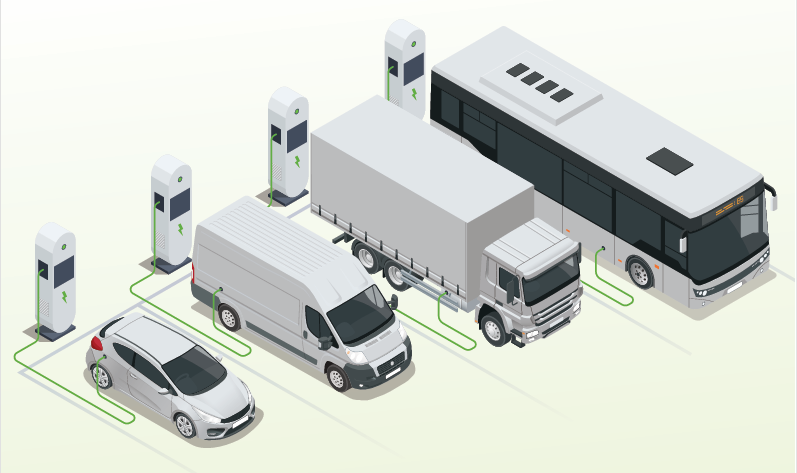
Electric vehicles have quickly become part of everyday operations at many workplaces. They’re charging in the car park, moving through logistics networks, but the safety planning hasn’t always kept pace. A lot of sites are running EV infrastructure without having worked through what happens if something goes wrong.
If your business has EV charging points or runs electric vehicles, this is worth taking seriously now rather than after an incident forces the issue.
The Risks are real, and often misunderstood
Electric vehicles bring both environmental and operational benefits, but they also introduce hazards that look quite different from those posed by combustion vehicles.
Thermal runaway: Lithium-ion batteries can enter a self-sustaining chain reaction that causes temperatures to escalate rapidly, generating intense heat, fire, and potentially explosive conditions. Government guidance flags this as one of the most serious risks tied to damaged or defective EV batteries.
High-voltage electrical hazards: EV battery systems typically run between 400V and 800V, which creates real danger during charging, maintenance, recovery, and repair work – situations fleet teams may encounter.
Toxic gas release: When batteries fail, they can release hazardous gases and vapours, and fire and rescue services have warned that thermal runaway incidents can generate large volumes of toxic emissions – a risk not just to vehicle occupants but also to responders.
Risk of reignition: Unlike a conventional vehicle fire, an EV battery fire can reignite hours or even days later if damaged cells are still generating heat. That has serious implications for how incidents are handled and how long a “resolved” fire actually needs monitoring.
Inconsistent safety standards. As EV adoption outpaces preparedness, many sites are left with gaps in procedures, equipment, training, and emergency response planning, often without realising it until something goes wrong.
Who Should Be Aware of EV Risks?
EV safety is not only a concern for specialist environments. Any organisation that operates, charges, maintains, or simply accommodates electric vehicles needs to think about its level of preparedness. That includes:
- Operational and engineering teams: workshop technicians, fleet engineers, maintenance staff, and vehicle recovery crews
- Fleet and vehicle operators: logistics depots, distribution centres, delivery networks, and transport providers
- Public and high-risk services: emergency services, local authorities, utilities providers, and housing or infrastructure organisations
- Workplace and facilities management: offices with EV charging infrastructure, commercial car parks, and multi-occupancy premises
And critically, EV-related incidents can happen while a vehicle is driving, parked, charging, in storage, or undergoing routine maintenance. Government and industry guidance increasingly reflects this, recognising the need to plan for EV fire and electrical risks across every stage of a vehicle’s operational life.
Why This Matters Now
- EV adoption is accelerating, and many organisations are operating with inconsistent levels of readiness across procedures, equipment, and training.
- Operational exposure is growing as more businesses introduce EV fleets and charging infrastructure, expanding the number of workplaces exposed to lithium-ion battery hazards.
- Safety expectations are rising. Government guidance now exists specifically for EV charging installations, vehicle recovery operations, and covered car parks – a sign that regulators expect EV risk to be built into broader safety management processes, not treated as an afterthought.
- Insurance and compliance scrutiny is increasing. Insurers and risk assessors are paying closer attention to lithium-ion battery risks and workplace charging arrangements as part of wider risk management reviews.
This means being prepared goes beyond compliance box-ticking. An EV-related incident can affect employee safety, building infrastructure, vehicle fleets, business continuity, and operations all at once.
EV safety is not optional. It requires a structured approach that combines prevention, preparedness, and the right emergency response measures.
Building a Practical Response
For organisations working out where to start, it helps to think in terms of three levels of preparedness:
Basic EV site safety: suitable for any site with EV charging points. This covers the fundamentals: safety signage, emergency information, and appropriate fire extinguishers, including lithium-ion-specific extinguishers designed to tackle battery fires across a range of applications.
EV maintenance and operations support: for sites physically working on EVs or their batteries. This includes flame-retardant, arc-rated PPE layering systems, specialist gloves for battery and electrical work, protective faceguards, and safe charging infrastructure such as enclosed, IP55-rated charging stations designed to contain fire risk.
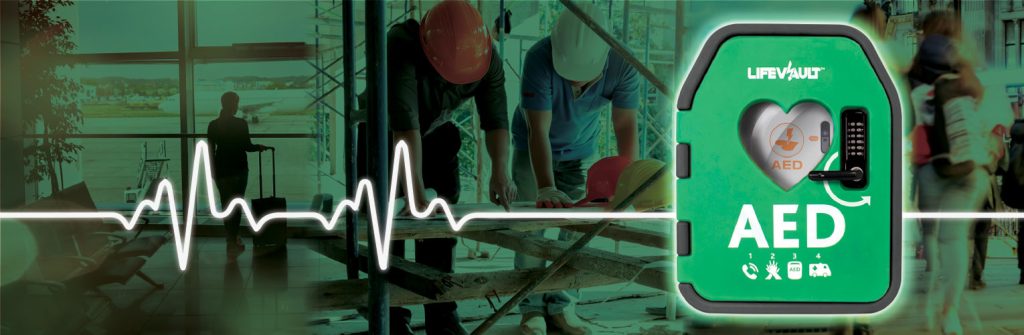
EV incident response: for organisations that need a higher level of readiness. This includes fire suppression blankets sized for everything from standard passenger cars to forklifts and extreme-risk scenarios, compliant first aid kits, and emergency defibrillator stations for cardiac events on site.
The right combination depends on your site’s exposure – a single office car park with a couple of charging bays has very different needs from a logistics depot running a mixed EV fleet with in-house maintenance.
Getting the Right Support
If any of these environments sound familiar, this is where a partnership with us comes in. At Bunzl Greenham, we help organisations create safer, more compliant EV environments through a practical, scalable approach to risk management, whether that’s supporting a single site, a fleet operation, or a national estate. We’re ready to support your business with EV fire response solutions, emergency spill and incident response, site signage, workplace safety assessments, EV charging area safety equipment, high-voltage safety products, PPE, and multi-site standardisation.
With national coverage, local support, and experience across transport, utilities, construction, facilities management, and public sector environments, we can help organisations standardise equipment, improve readiness, and strengthen compliance across the board.
Read the full brochure here: Greenham-EV-Awareness-Leaflet-2026.pdf
Reach out to us for more information at: sales@greenham.com


