
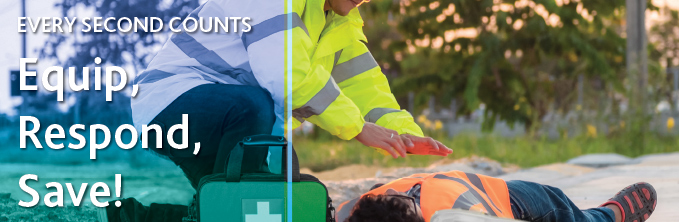
Accidents can happen at any time, in any environment — whether it’s a bustling construction site, a quiet classroom, or a company vehicle on the road. One of the most critical, yet often overlooked, aspects of workplace and school safety is the risk of major trauma bleeding. When seconds count, having the right equipment — and the knowledge to use it — can make all the difference.
Is Major Bleeding a Risk in Your Workplace?
You may not think of your job site or school as a high-risk environment, but serious injuries can happen anywhere. In certain industries, however, the likelihood of a catastrophic bleed is significantly higher.
High-risk sectors include:
- Construction
- Factories and manufacturing plants
- Tree surgery and forestry
- Agricultural work
- Saw mills
- Company vehicles (e.g., delivery, transportation)
- Schools, colleges, and educational institutions
From machinery accidents and falls to violent incidents or road traffic collisions, each of these environments carries its own unique risks.
Common Risks and Injuries
Here are just a few of the serious injuries that could lead to catastrophic blood loss:
- Deep lacerations from tools or machinery
- Penetrating trauma from accidents or violence
- Crush injuries
- Falls from height
- Road traffic collisions involving company vehicles
- Self-harm or violence in schools
These are not minor first aid scenarios. A person can bleed to death in under five minutes. That’s why fast, effective response is vital.
Have You Considered These Risks?
When was the last time you conducted a workplace or school risk assessment? Are your first aid kits up to date, fully stocked, and relevant to the specific hazards of your environment?
If your answer is “I’m not sure” — it’s time to act.
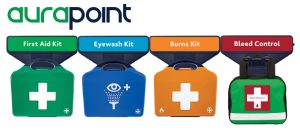
Why You Need a Bleed Control Kit
A bleed control kit is designed specifically for life-threatening haemorrhages. Unlike standard first aid kits, these kits include tools such as:
- Haemostatic dressings
- Tourniquets
- Trauma bandages
- Chest seals
These kits can buy precious time while waiting for emergency services to arrive. In many cases, they can mean the difference between life and death.
Why You Need a Bleed Control Kit
A bleed control kit is designed specifically for life-threatening haemorrhages. Unlike standard first aid kits, these kits include tools such as:
- Haemostatic dressings
- Tourniquets
- Trauma bandages
- Chest seals
These kits can buy precious time while waiting for emergency services to arrive. In many cases, they can mean the difference between life and death.
Be Ready, Stay Safe
Here’s what every employer, site manager, or school leader should ask:
- Have we identified bleed risks in our environment?
- Do we have bleed control kits accessible and visible?
- Are our first aid kits fully stocked and in date?
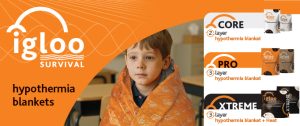
- Do we include Igloo blankets as part of our emergency supplies?
- Have our staff been trained to use these items in a real emergency?
Empower Your Team
Critical injury kits, bleed control packs, and Igloo blankets aren’t just extras — they are essential components of modern first aid preparedness. Empower your team to respond confidently and effectively in a life-threatening situation.
Because when an accident happens — and it will — you’ll want to be ready.


