


Ahead of the winter months, there can be a real concern that cold and flu infection rates will again start to rise1. This, coupled with a heightened public awareness of the dangers posed by infectious diseases following the pandemic, requires the implementation of common approaches to hygiene, founded in clear scientific understanding of modes of transmission and targeted at preventing the spread of infections in public spaces.
Flu season is an opportunity to underline the role of individual behaviour in ensuring hygiene and reducing risk; everyone must be made aware that they have a part to play in preventing the spread of infection.
In public facilities, the risk of infection transmission is high as these are places where many different people meet each other, interact, and touch common surfaces. There is a misconception that commonly touched surfaces are inherently the points of highest risk and that disinfecting those surfaces is therefore the solution.
A better way to think about infection transmission is to consider the moments at which transmission can occur and the role that people and surfaces in your facility play in those moments. The primary mode of infection transmission is via our hands2 which spread pathogens from infected individuals to other people and surfaces, and which can become contaminated after touching common shared surfaces such as door handles, stair rails, etc.
Critically, it is not the surfaces themselves that create the risk but the behaviour of touching those surfaces without practicing hand hygiene. While regular disinfection of frequently touched surfaces does play a role in managing risk, it cannot alone create a safe environment since re-contamination may occur frequently3.
This flu season, supporting behaviour change toward a culture where the risk moments are clear to all and where Targeted Hygiene is practiced at those moments is one of the best ways to minimise risk and create safe, healthy public spaces and workplaces.
8 key moments
Where the risk of infection transmission is highest can be identified and applied generally to public spaces and workplaces as follows:
- Entry and exit from a facility or venue
- Using the washroom
- Before and after touching common surfaces
- Before preparing food
- Before eating food, especially with fingers
- Before and after moving from a workstation
- After coughing, sneezing and nose blowing
- After handling and disposal of refuse
Every facility and venue will present unique combinations of these moments and hence will require a tailored hygiene solution, but the moments themselves and therefore the approach to devising that solution is common to all.
Targeting these key moments can be achieved by equipping facilities with the right hygiene infrastructure and educating individuals about the dangers they pose to themselves and others if they do not adopt better practices.
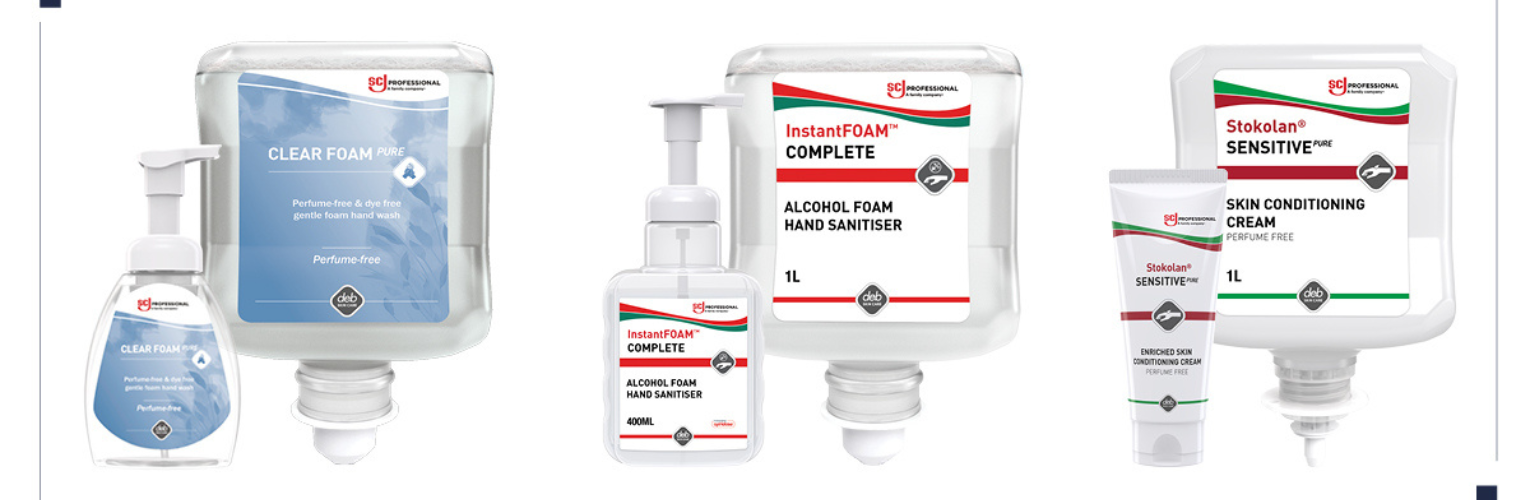
Is your facility ready? SC Johnson Professional can provide you with an effective hand hygiene system. Read more here and request a free site audit > SCJ Cold and Flu | Greenham Site
1 https://www.ecdc.europa.eu/en/seasonal-influenza/facts/factsheet
2 https://www.cdc.gov/workplacehealthpromotion/health-strategies/flu-pneumonia/interventions/environmental-support.html Reference to specific commercial products, manufacturers, companies, or trademarks does not constitute its endorsement or recommendation by the U.S. Government, Department of Health and Human Services, or Centers for Disease Control and Prevention.
3 https://ifh-homehygiene.org/review/chain-infection-transmission-home-and-everyday-life-settings-and-role-hygiene/


